12 Most Popular Croatian Traditions to Know About

Croatia may be famous for its beaches and islands, however, traditions remain a huge part of everyday life and are practiced throughout the country. But you will be surprised that even though Croatia is a small country with less than 4 million people, regional variations exist, which makes Croatian traditions unique.
To understand better the differences between regions and how they’re reflected, let me give you a short context. The main reason why Croatian traditions are unique and why they vary is because Croatia sits between Central Europe, the Mediterranean and the Balkans – all 3 different regions that influenced Croatian traditions over the centuries and shaped everyday life.
It’s not a surprise then that Croatia has an exceptionally high number of UNESCO-listed intangible cultural traditions for its size, reflecting our rich regional heritage.
In this blog post I will share with you 12 most popular Croatian traditions to know about, especially if you’re preparing for the trip or you’re interested in learning more about Croatia. Most of these traditions are generic (perhaps with slight variations), but some of them are specific for certain regions. Not all of these traditions are listed under UNESCO, so for those that are, I will emphasise this to you.
Croatian traditions on this list range from family gatherings and weddings to food, dance and clothing in order to give you the best overview of our culture and life.
Croatia Travel Plan
If you’re looking for a custom Croatia travel plan, find out more about my personalised itinerary service.
Heads up! Some links in this blog are affiliates. If you click and buy, I may earn a small commission at no extra cost to you. Rest assured, I only recommend stuff I’ve tested or trust. You can read more about our affiliate disclaimer here.
Travel Resources for Croatia:
⭐️ Join my Croatia Travel Tips FB Group to ask questions, get advice and engage with our community.
Family Comes First
During the time when me and my husband lived in London, I couldn’t ever get used to the fact that work comes before everything: family, spouse, physical and mental wellbeing. As a Croatian, this was just unacceptable to me because in Croatia family comes first and we work to live, not the other way around.
Croatians are big on family gatherings, not only around the holidays, but every week we make time to come all together. Also, we tend to meet almost every day with someone from the family.
Family time is especially important on Sundays when we gather in a household to have Sunday roast or to barbecue (the latter especially on the sunny summer days).

Coffee Isn’t Just Coffee
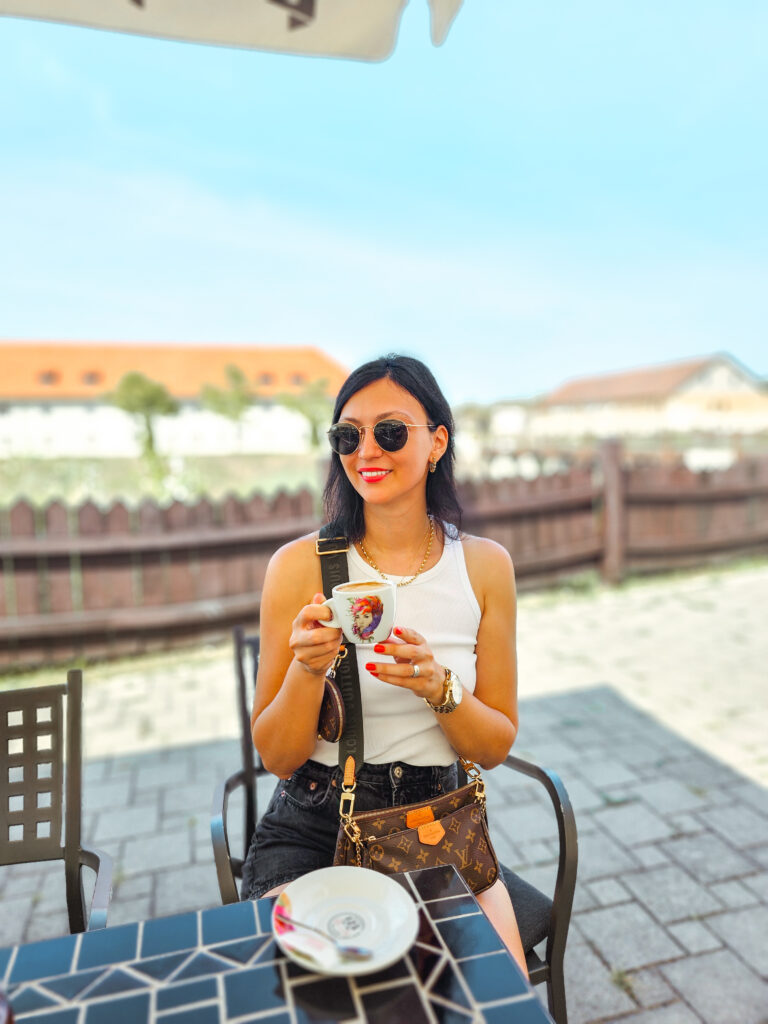
Coffee culture in Croatia is huge. We are big coffee drinkers, but drinking coffee is more than this.
Basically, if you’re ever invited for a cup of coffee in Croatia, that means you will sit for a couple of hours and engage in conversations. We don’t take coffees on the go (though these are becoming a bit more popular among younger generations) and we don’t rush.
Sipping coffee is socialising, which is why you will see cafes on every corner and they will always be busy, no matter the time of the day (yes, you can even order coffee late in the evening!).
Weddings Are Big Community Celebrations
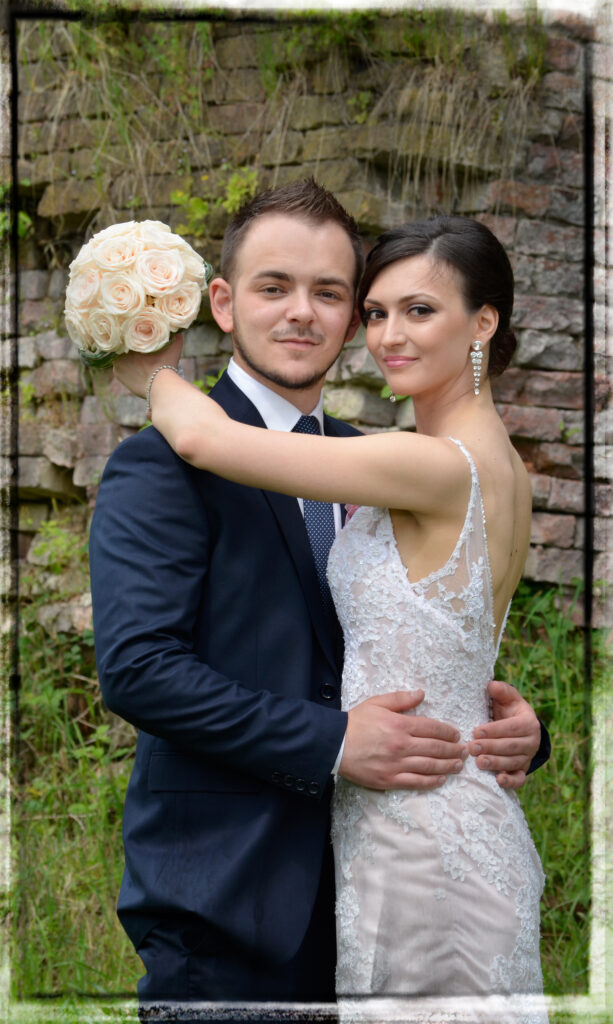
Weddings in Croatia are among the best in the world!
We start gathering in the early afternoon and we party until the early morning, so it’s usually a 12+ hour event (in the time of my parents, it started even around noon).
A typical Croatian wedding is of about 150 people: closest family, relatives, friends and colleagues.
The schedule is usually that everyone gathers before the church, then it’s a church wedding, and then a big party at the wedding venue.
If you’re ever invited to the Croatian wedding, don’t miss it!
Traditional Folk Music and Dancing
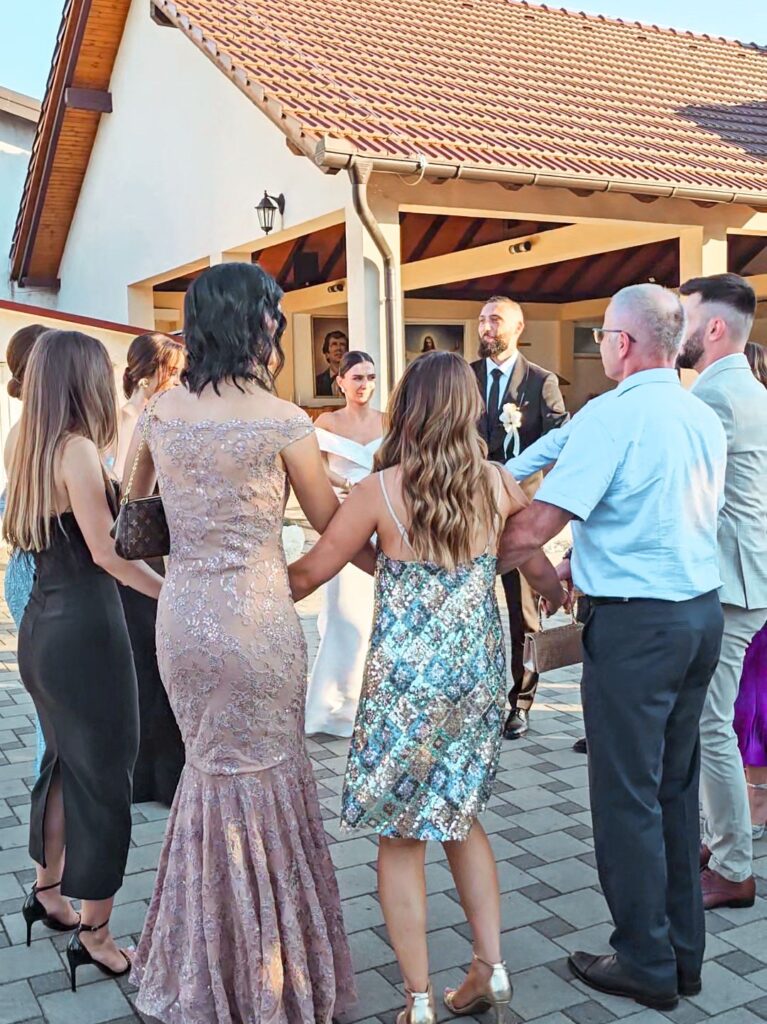
Each region of Croatia has traditional folk music and dancing – which is often played at weddings or on special events, like Djakovacki vezovi (roughly translated as Djakovo Embroidery Festival).
One of the most popular forms of traditional music is klapa, a type of a cappella singing that originated in Dalmatia. If you’re visiting Croatian coastal towns, you will hear klapa on the streets at some point. Klapa singing is about the sea, love and the Mediterranean way of life.
On the other hand, Slavonian circle dancing also known as becarac or kolo is the most popular form of traditional dancing and singing that originated in eastern Croatia under the influence of the Ottoman Empire. Kolo is a circle formed of people, holding their hands together and dancing to the sound of music, followed by singing. Kolo is danced at weddings (my favourite part!).
Both klapa and becarac are listed under UNESCO.
Croatian Folk Costumes
While most Croatians don’t wear folk clothes anymore (apart from some very old ladies in the villages), folk costumes are still popular and therefore worn on special events, such as during festivals and ceremonies.
Of course these costumes have regional differences which were influenced by local climate and source materials as well as the different cultures and historical factors.
Therefore, the eastern regions of Slavonia and Baranja are known for their rich and colourful costumes and are more elaborate than costumes from Zagreb, Istria and Dalmatia.
What all these costumes have in common are blouses, vests, skirts and aprons (or trousers for men) and traditional footwear. Additionally, women have headwear, usually to indicate marital status. All costumes come with excessive gold jewellery. In Slavonia the most popular is dukat, a golden coin passed by generations of women in the family (I got one from my grandma).

📖 Read my A Brief History of Croatia: From Prehistory to Present Day blog post.
Religious Festivals and Holidays
Us Croatians are a very religious Catholic people, so it’s not a surprise that we have and celebrate a lot of religious festivals, which are often turned into public holidays.
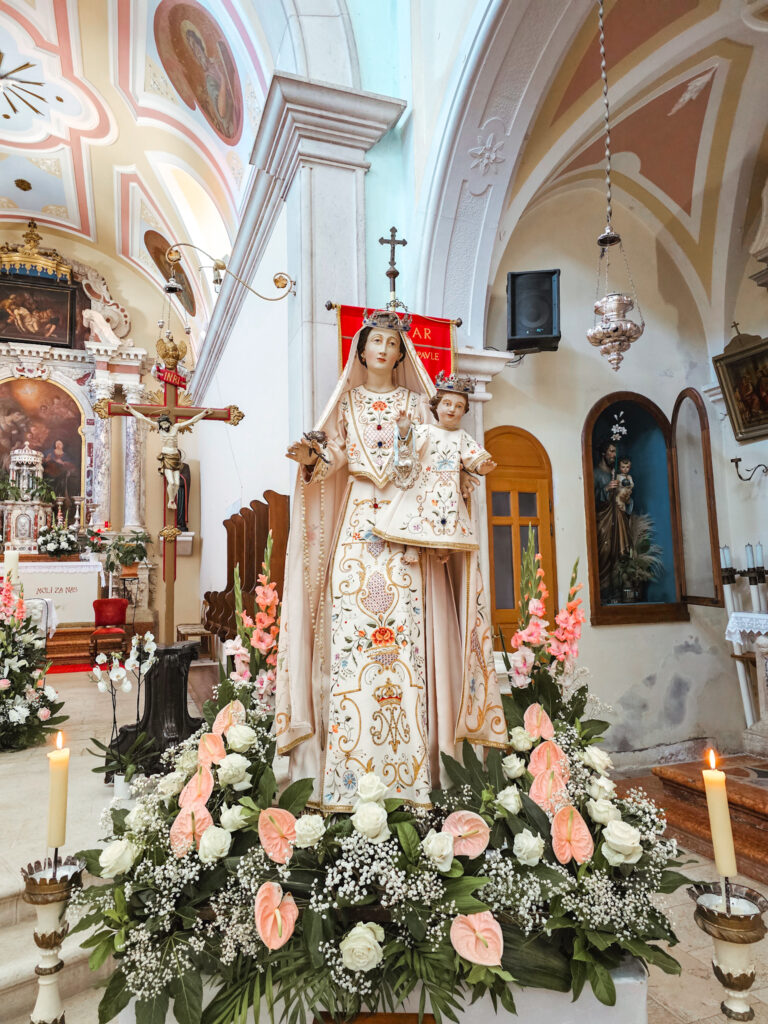
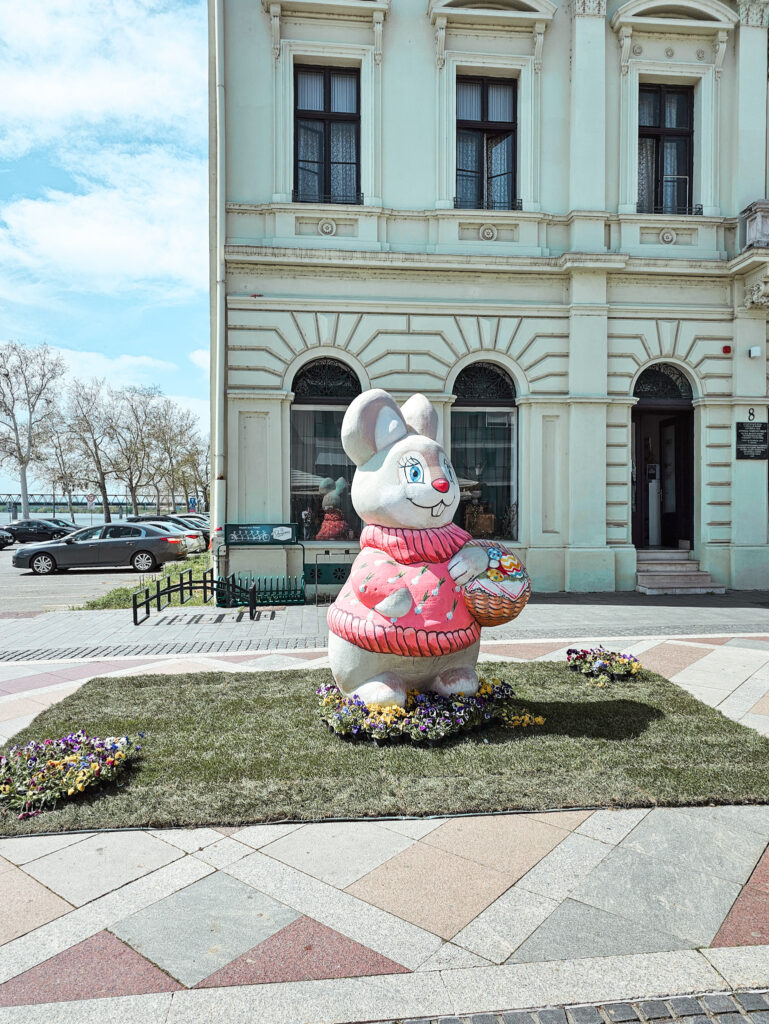
Besides Christmas and Easter, we celebrate the All Saints’ Day on the 1st of November, when we visit the graves of our passed family members and friends to leave lanterns and chrysanthemums.
Other big religious holidays are Epiphany, Corpus Christi and The Assumption of the Virgin Mary.
📖 Read my 15 Croatian Celebrations to Experience Throughout the Year blog post.
Lacemaking Traditions
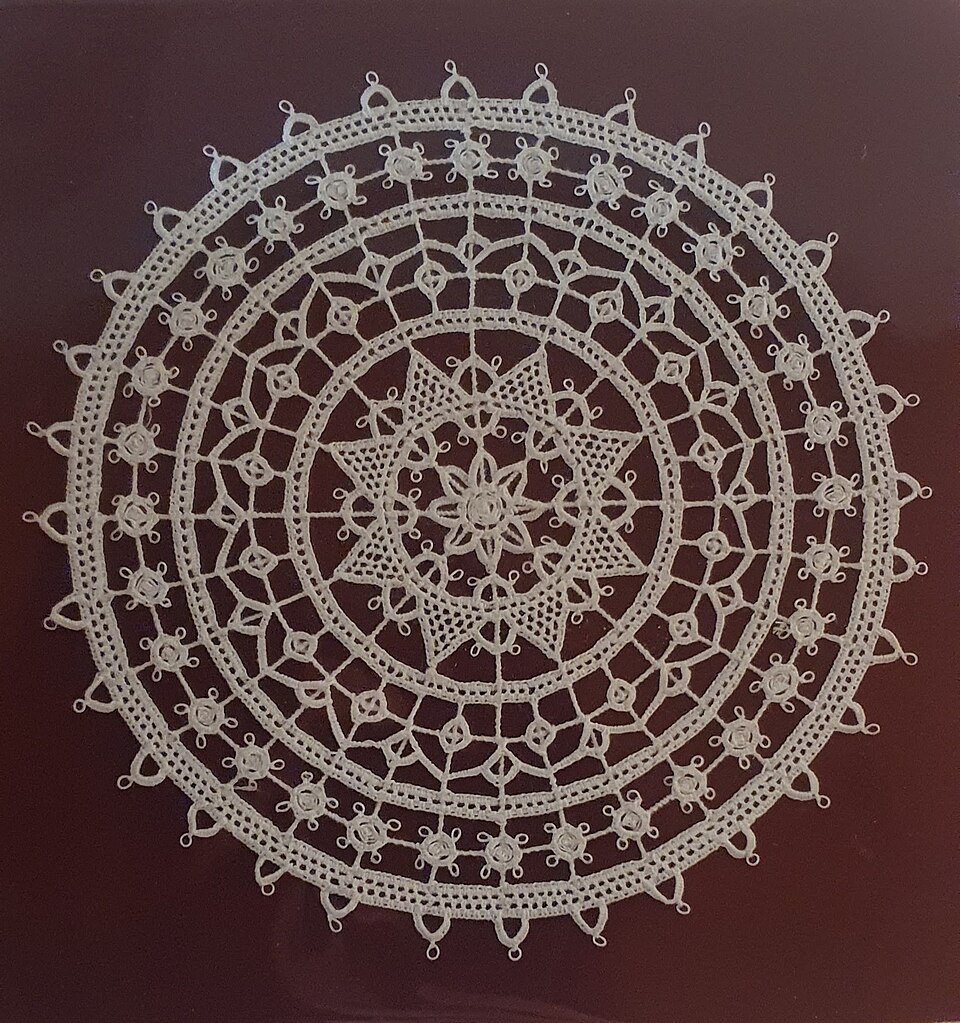
Lacemaking in Croatia is largely popular throughout the country, though the most popular regions for this are Pag island, Lepoglava and Hvar island.
The process involves embellishing a spider web pattern with geometrical motifs and is transmitted today by older women, usually within families. For example, my great grandma, grandma, and mom all learnt lacemaking, but I never did.
Most young people don’t really try to learn it, which is why lacemaking is celebrated yearly at the Lace Festival in Lepoglava, and why there are courses for everyone who would love to learn it, because it’s a cultural heritage worth keeping.
Because lacemaking is a living cultural tradition of Croatia, it has been inscribed on the Representative List of the Intangible Cultural Heritage of Humanity by UNESCO.
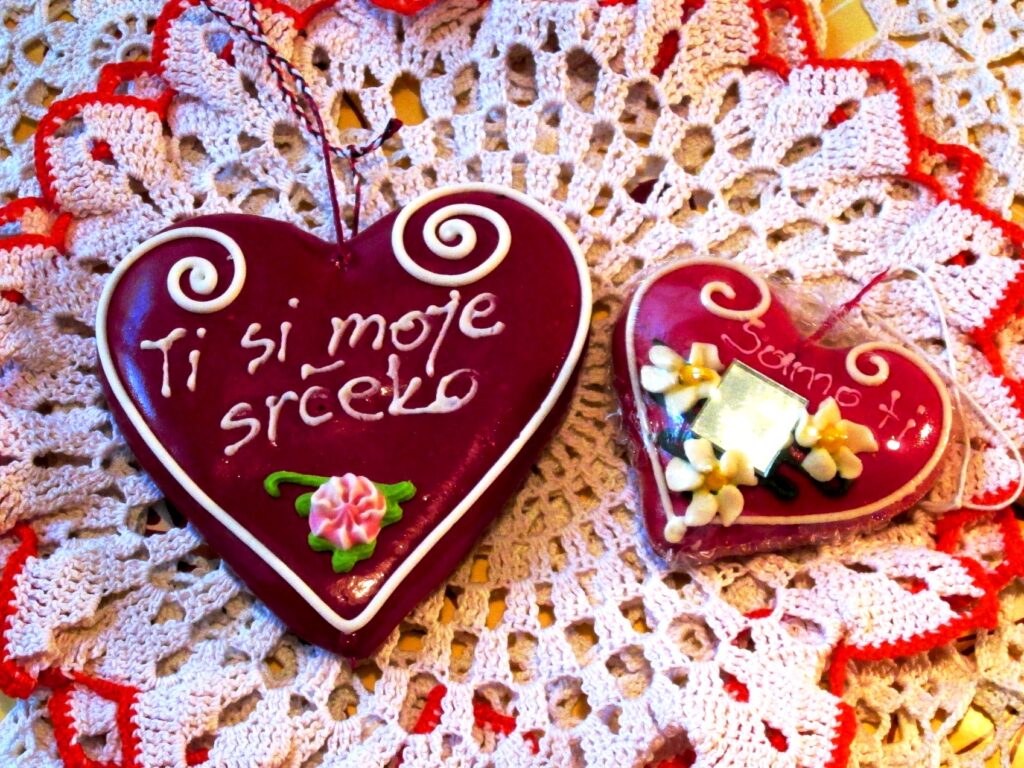
Gingerbread Hearts (Licitar)
Gingerbread Hearts also known as Licitar is an edible souvenir, made from water, flour and sugar and then coloured.
Licitar hearts are made with love and they are supposed to bring joy into your family. Whenever there’s a festival regardless of what, 100% there will be at least one stand with licitar hearts.
If you’re looking for a unique and beautiful gift or souvenir to bring home, I highly recommend getting at least one licitar heart (in case you actually eat one).
Licitar Hearts are also listed under UNESCO.
📖 Read my 15 Best Food Souvenirs from Croatia to Bring Home blog post.
Olive Harvest
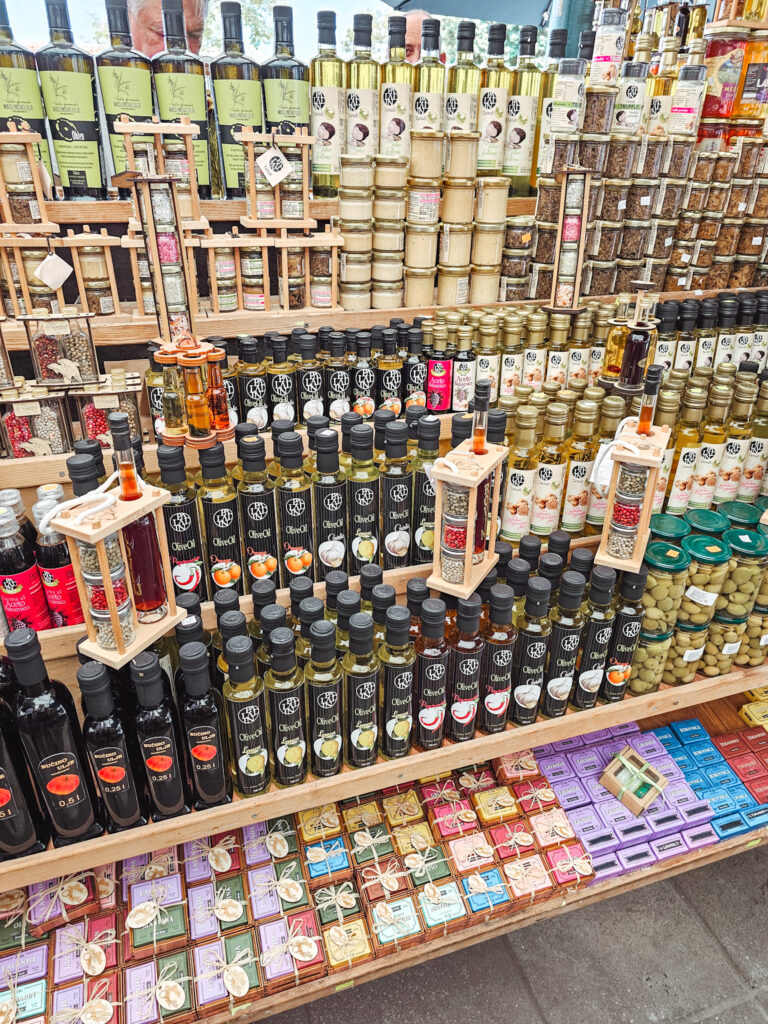
Dalmatia and Istria regions are famous for their olives, so one of the Croatian traditions specific for these regions is olive harvest.
This is an annual cultural tradition taking place from October to mid-November. If you are visiting at that time, you can easily participate in harvesting.
Rakija for Every Occasion
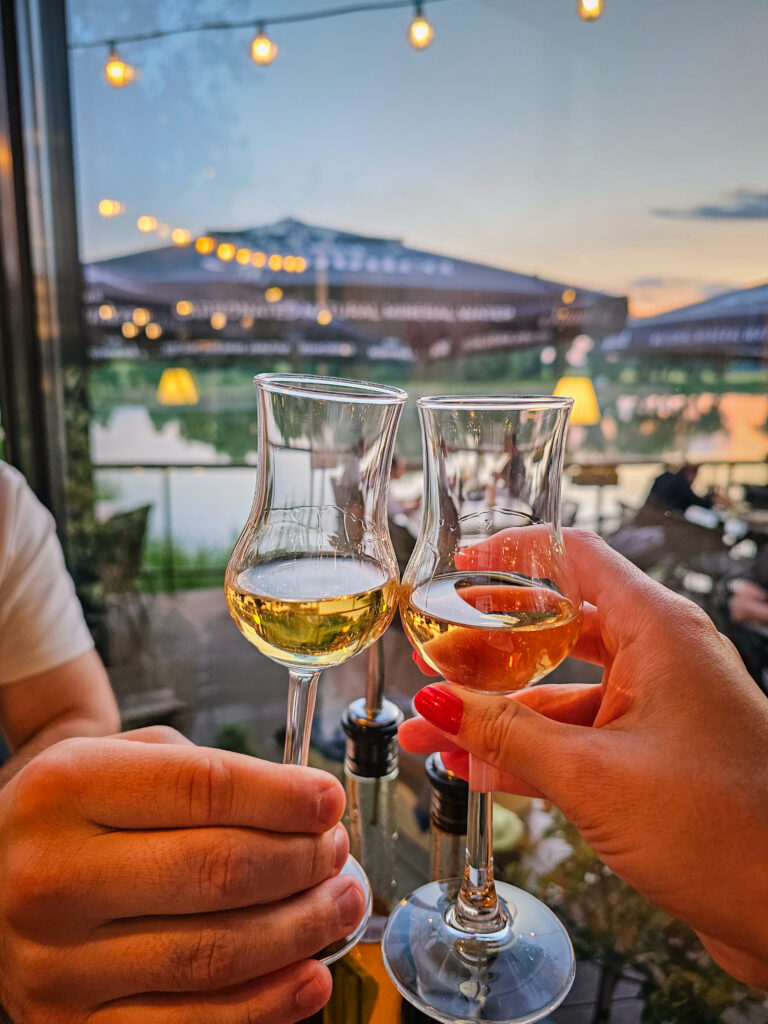
Rakija is a Croatian spirit or brandy made from fruits, mostly from plum, grapes and pear. Rakija made from plum also called sljivovica was inscribed on the Representative List of the Intangible Cultural Heritage of Humanity in 2022.
A lot of families in Croatia actually produce their own rakija, mine too and we do make such a great sljivovica!
That’s mainly because rakija is drunk for every occasion; from when a baby is born to weddings and even funerals when we make a toast for our passed beloved one. Rakija follows every step of our life and is a great part of Croatian tradition.
Don’t miss the opportunity to try rakija, especially sljivovica when in Croatia!
Christmas and Easter Food Traditions
As Croatia is a predominantly Catholic country, Christmas and Easter are the two most important religious holidays in Croatia.
And of course, time with family and eating good food is deeply embedded into our tradition during the holidays.
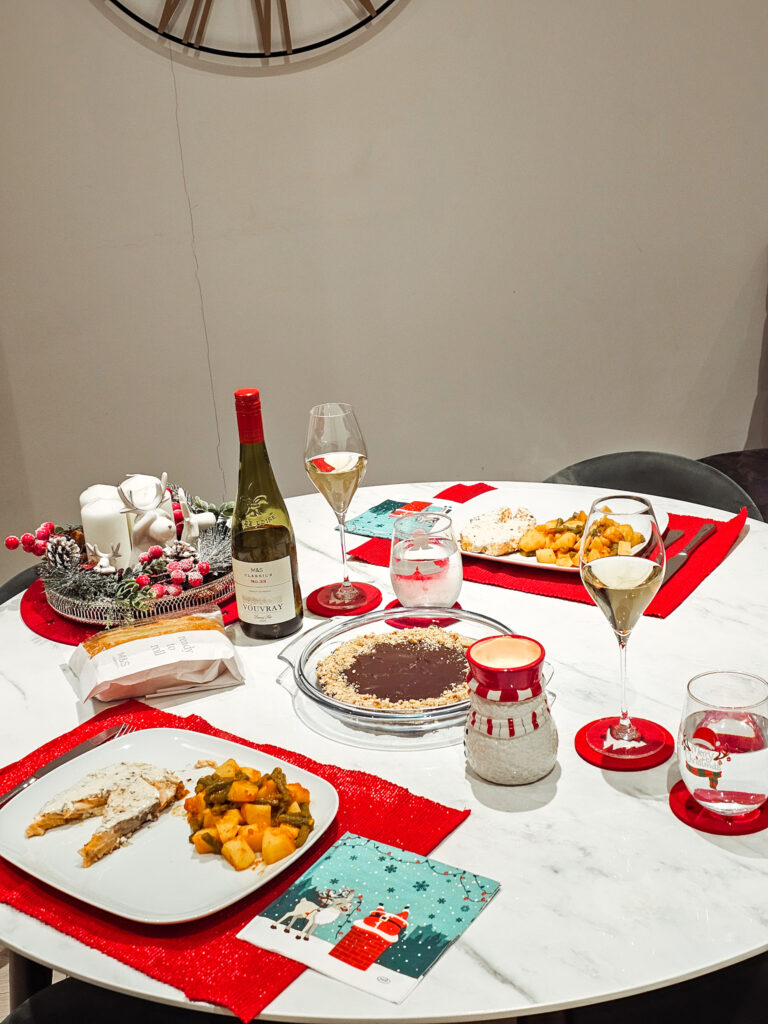
On Christmas Eve we are fasting, so we eat fish on that day. Then at midnight when Jesus is born, families go to the mass and afterwards they sit at the table to eat, mostly pork.
On Christmas day, most families eat pork, but this also largely depends on the region, so while eastern Croatia is strong on pork, northern Croatia eats turkey.
On Great Friday we are fasting again and eating fish, but on Easter we mostly eat ham, eggs and spring onions – a traditional Easter breakfast and/or lunch (depends on what each family has as their own tradition).
📖 Read my 15 Traditional Croatian Foods to Try on Your Trip blog post.
Where Can You Experience Croatian Traditions?
If you’d love to experience some of the Croatian traditions, especially those that are more on the festive side, here’s where you can do it:
- St Blaise Festival in Dubrovnik (3 February)
- Moreska The Sword Dance in Korcula (from May to October)
- Sinjska Alka, a Knights’ Tournament in Sinj (beginning of August)
- Djakovo Embroidery Festival in Djakovo (June-July)
- Rijeka Carnival in Rijeka (February)
Additionally, you can hear klapa singing and participate in olive harvest in any Dalmatian and Istrian town, and you can experience becarac if you go to a traditional Croatian wedding in the Slavonia region.
Where to Stay in Croatia
Here are some bucket list hotels to check during your stay in Croatia:
- Hotel Excelsior Dubrovnik – beachfront, with the views of the Old Town
- Grand Park Hotel Rovinj by Maistra Collection – most beautiful hotel in Istria region
- Plitvice Holiday Resort – luxury glamping resort near Plitvice Lakes
- Esplanade Zagreb Hotel – historical art-nouveau hotel in Zagreb
- Vila Vinkomir Kutjevo – villa in the Kutjevo vineyard and winery
Croatia Travel Plan
If you’re looking for a custom Croatia travel plan, find out more about my personalised itinerary service.
Like this post? Pin it!📍