15 Croatian Celebrations to Experience Throughout the Year

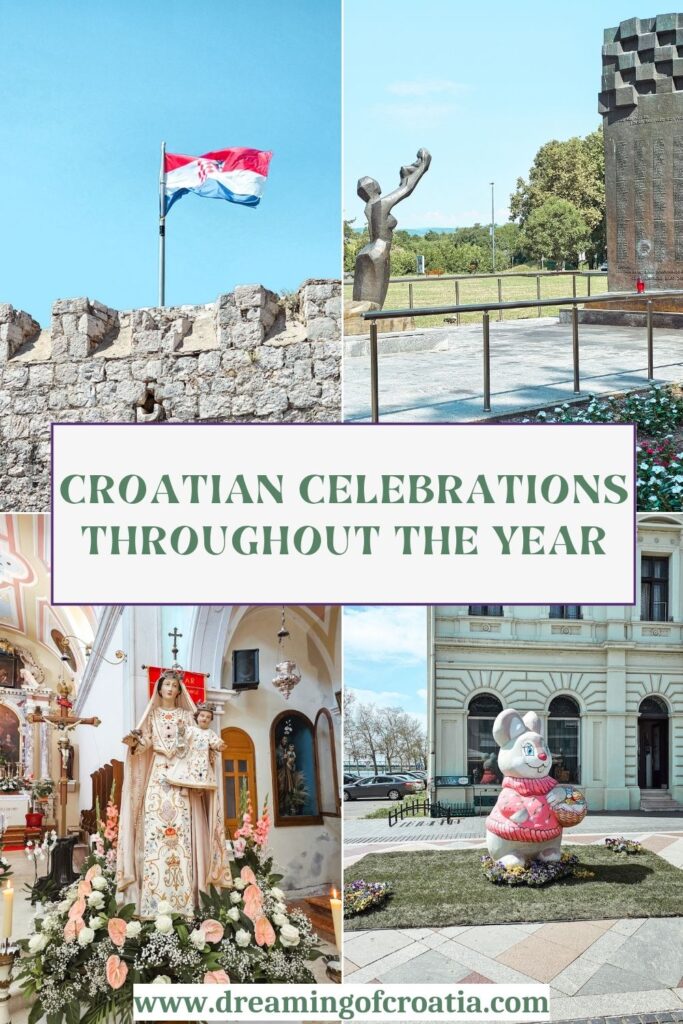
Us Croatians are big on celebrations. I was counting the other day the public holidays with my husband and we have 14 public holidays in a year. And then we have countless other festivals and holidays, so one could easily say that we are pretty big on festivities. Because there are so many of them, you may end up feeling lost and not knowing what are some of the most important ones. That is why in this blog post I will share with you what I feel are the 15 most popular Croatian celebrations to know about.
Celebrations mentioned here are a mix of religious and traditional ones. Some of them are yearly public holidays, some of them are celebrated only in certain cities or regions, but all of them are deeply embedded into our local culture and history.
Additionally, I included Croatian celebrations throughout the year, so that no matter what time you’re visiting, you can still experience some of them.
Croatia Travel Plan
If you’re looking for a custom Croatia travel plan, find out more about my personalised itinerary service.

Heads up! Some links in this blog are affiliates. If you click and buy, I may earn a small commission at no extra cost to you. Rest assured, I only recommend stuff I’ve tested or trust. You can read more about our affiliate disclaimer here.
Travel Resources for Croatia:
⭐️ Join my Croatia Travel Tips FB Group to ask questions, get advice and engage with our community.
New Year’s Eve
Just like anywhere else in the world, one of the most popular celebrations in Croatia is the New Year’s Eve that falls on the 31st December.
Most cities in Croatia will have fireworks and a band playing on the main square, with people dancing, singing and drinking.
A lot of young Croatians will go to clubs to celebrate the New Year and many other people will organise a private party at home for their family and friends.

Rijeka Carnival
The Rijeka Carnival is one of Europe’s largest and most famous winter carnival celebrations, which is held annually in the Croatian town of Rijeka.
The Rijeka Carnival takes place every year from 17 January, St Anthony’s Day, until the beginning of Lent.
The programme of the carnival includes cultural events, entertainment and sports, but the two main highlights are the Children’s Carnival Parade and the International Carnival Parade. Thousands of children take part in colourful costumes, while the main parade fills the streets with creative masks, large floats and carnival groups from Croatia and abroad.
If you want to experience Croatia’s most famous carnival, then definitely come to Rijeka.
Easter
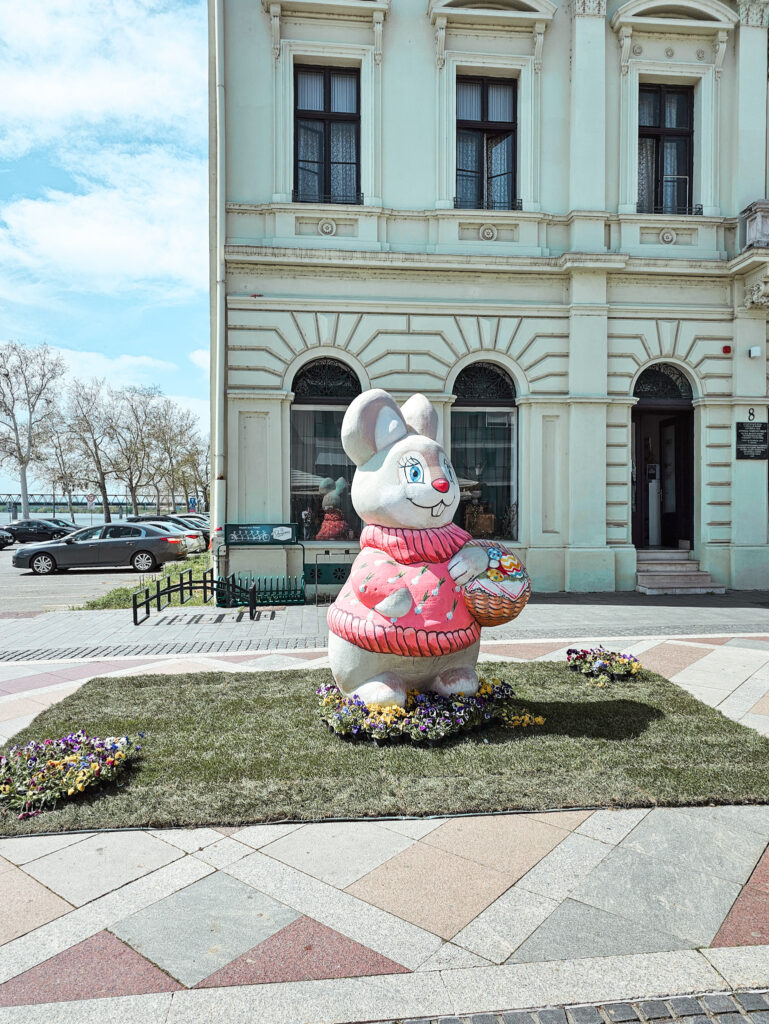
Easter is one of the most important religious holidays in Croatia.
If you’re visiting Croatia around Easter, it’s actually one of the most special (and underrated) times to experience the country. Easter here isn’t just about chocolate eggs, it’s deeply rooted in our tradition, family, and religion.
For most Croatian families, Easter Sunday starts with Mass and continues with a large family meal. Traditional foods include cooked ham, boiled eggs, spring onions, radishes and bread. The exact dishes vary between regions, but the meal is usually simple and centred around spending time together. You will also see decorated Easter eggs called pisanice.
One of my favourite Easter traditions is egg tapping. Two people each choose a boiled egg and tap them against one another to see which shell cracks first. The person with the unbroken egg continues playing until only one egg remains intact. That person wins (it is never me btw!)
📖 Read my 12 Most Popular Croatian Traditions to Know About blog post.
Statehood Day
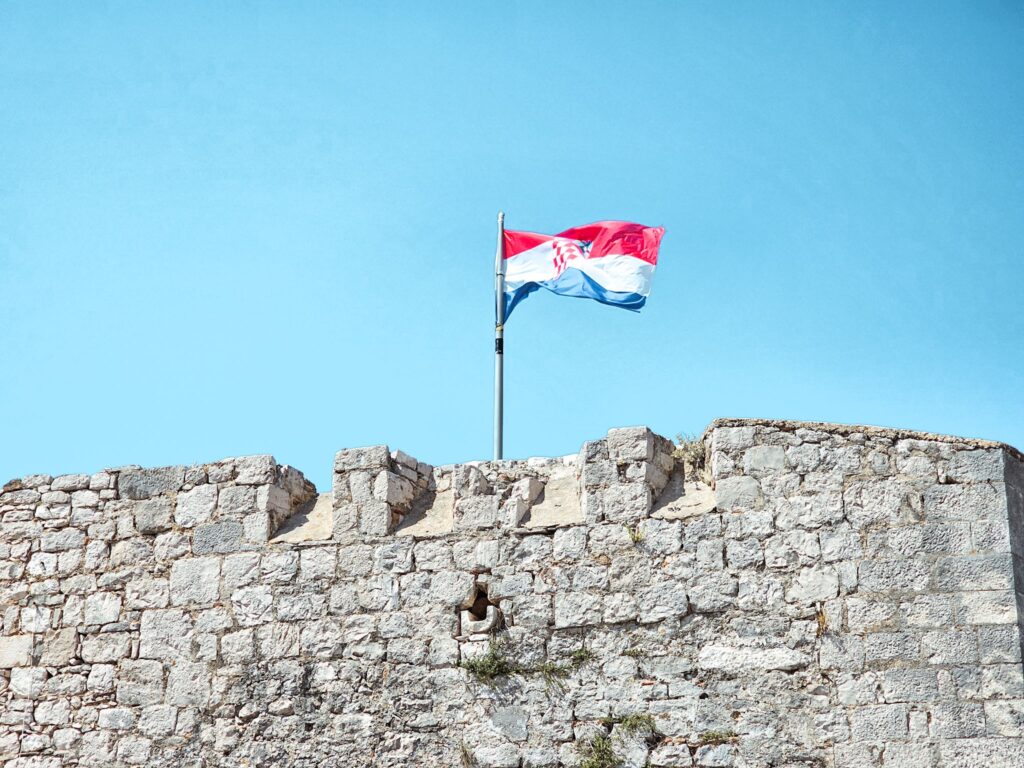
Statehood Day in Croatia is a national public holiday celebrated every year on May 30.
It celebrates the historic day in 1990 when the first modern and democratically elected multi-party Croatian Parliament was constituted.
You will see a lot of flags on this day, even in private homes. Most Croatians spend the day hanging out with family and friends, usually having a barbecue because the days are already nice and warm.
📖 Read my Croatian Flag Meaning: History, Symbols & Legend Explained blog post.
Corpus Christi
Corpus Christi is a national holiday in Croatia celebrated on the 9th Thursday after Easter.
Corpus Christi commemorates the Eucharist that happened on Holy Thursday and emphasises the Christian belief that Jesus is a true God as well as a human being. On this day we remember that God took the human form to become close to people.
In Croatia Corpus Christi is a non-working day for most, so we spend the day with family and friends, usually having lunch together.

Moreska Sword Dance in Korcula
Moreska is a traditional sword dance that has been performed in Korcula for over 400 years.
It tells the story of two kings fighting over a captured maiden, with seven dramatic battles representing the struggle between good and evil. The dancers wear traditional costumes and use real swords, so performing Moreska is a matter of great pride for the men of Korcula because they train rigorously to master the sword dance.
If you are visiting Korcula Town during summer, this is one of the best ways to experience the island’s local culture and traditions.
Sinjska Alka
Sinjska Alka is not only a Croatian celebration, but it is also recognised by UNESCO and put on the Representative List of the Intangible Cultural Heritage of Humanity.
Sinjska Alka is a traditional knight’s tournament which is held every year in the town of Sinj. The tournament dates back to the 18th century.
During the tournament, riders known as alkari gallop along the main street and try to hit a small iron ring, called the alka, with a long lance. Only men from local families in Sinj and the Cetina region can take part.
The entire community is involved in preserving the tradition, from maintaining the costumes and weapons to organising celebrations and family gatherings. For locals, the Sinjska Alka is much more than a sporting event. It is an important part of the region’s history and a tradition passed down through generations.
If you’re in Croatia in August and want to experience something unique, I recommend visiting Sinj to see the tournament.
Operation Storm
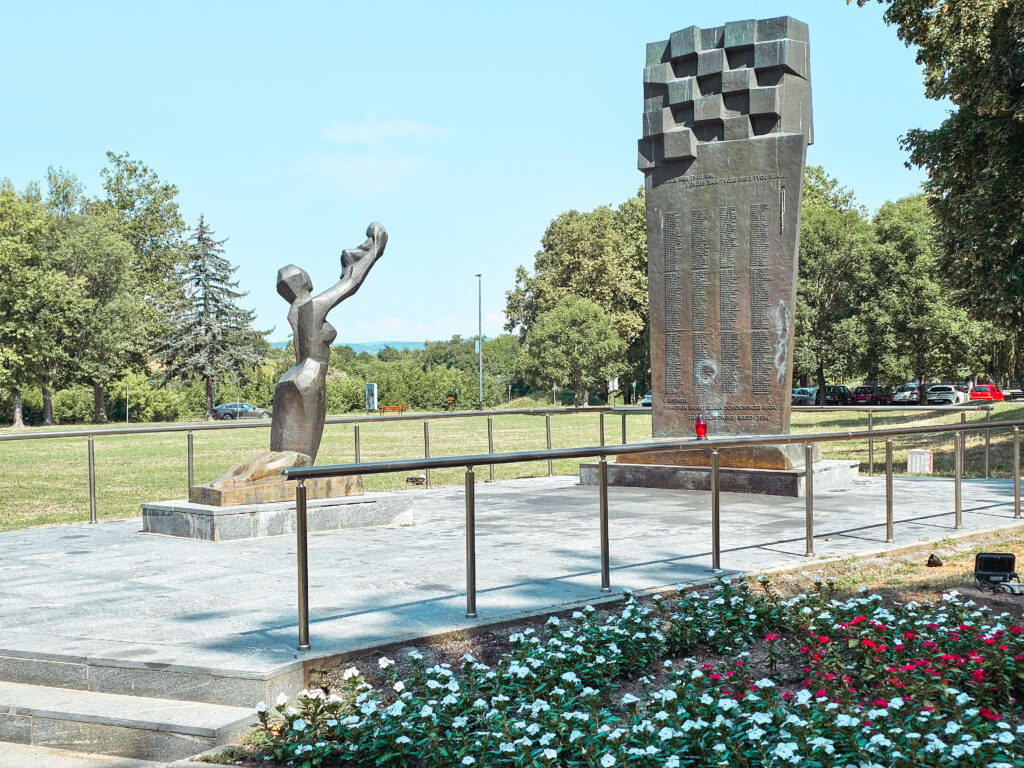
Croatia’s War of Independence fought in the early 90s is one of the most important historical periods for us because after a thousand years, we have finally become an independent state. So, you can’t be surprised that we commemorate and celebrate many events from that period.
Operation Storm was carried from 4-7 August 1995 which brought us a victory. Which is why we are celebrating Operation Storm yearly on August 5, and it’s a non-working day for most Croatians.
On that day there is a concert happening in the city of Knin, and there are many other concerts and festivities throughout the country. Croatian homes will raise flags, make barbecues and spend a day with family and friends.
📖 Read my A Brief History of Croatia: From Prehistory to Present Day blog post.
Assumption of Mary
By now you know that Croatians are very religious and that we celebrate many religious holidays in a year.
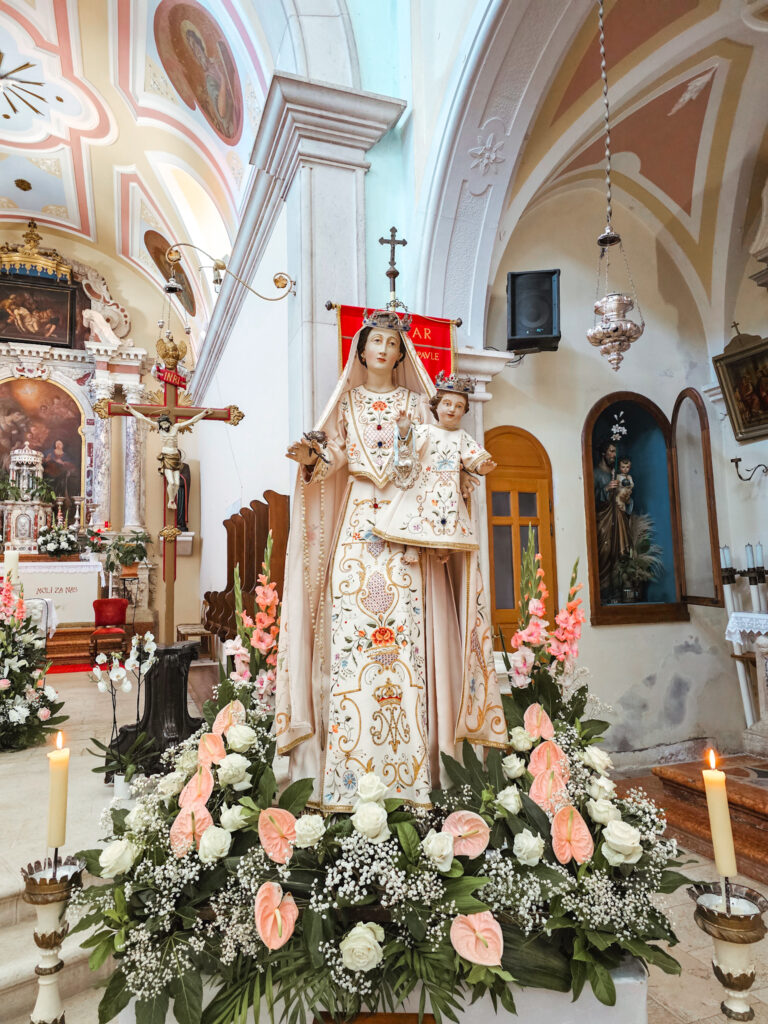
One of them is the Assumption of the Blessed Virgin Mary which is celebrated yearly on August 15. As Catholics we believe that Mary was assumed into heaven with her soul and body.
On that day some Croatians will make pilgrimages to Mary’s shrines, the churches will be beautifully decorated and we will mostly spend a day with families as it’s a non-working day.
All Saint’s Day
We may not have a worldwide popular Dia de Los Muertos like Mexicans have, but we also celebrate the passing of our beloved ones.
In Croatia this day is known as the All Saint’s Day and is celebrated yearly on November 1. On that day we visit the graves of our passed family members and friends to leave lanterns and chrysanthemums.
It’s a quiet and non-working day in Croatia, so if you’re visiting around that time, please be respectful.
Advent
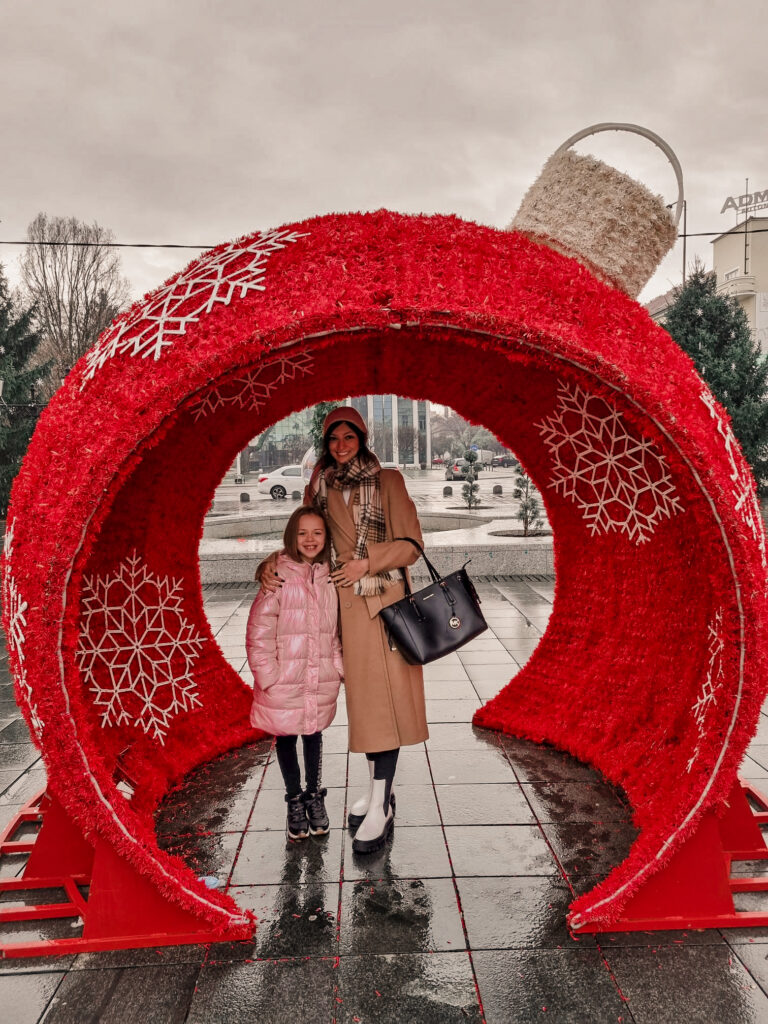
On the brighter side, we are also big on advent where not only every town gets beautifully decorated, but also every house.
The best place in Croatia to visit during Advent is undoubtedly Zagreb, so if you’re thinking where to go for Christmas markets, give Zagreb a chance.
Every Sunday during Advent we light one candle; representing hope, peace, joy and love.
St Nicholas’ Day
Even though we have Santa Claus, in Croatia we also celebrate St Nicholas’ Day on December 6.
It’s a nice holiday for the little ones because the evening before they leave their cleaned boot on the window, so St Nicholas can leave them a present, usually something symbolic, such as candy.
Alongside St Nicholas we have Krampus who accompanies St Nicholas on nightly visits to children to leave the bad-behaved kids a birch rod.
This is actually how we were threatened by our parents to behave nicely, so we get a visit by St Nicholas instead of Krampus! It may sound harsh, but it’s actually deeply embedded into our culture that we don’t really fear the Krampus, but we do try to be nice to be visited by St Nicholas instead! We even sometimes get a nicely decorated birch rod alongside other gifts lol.
Christmas Eve
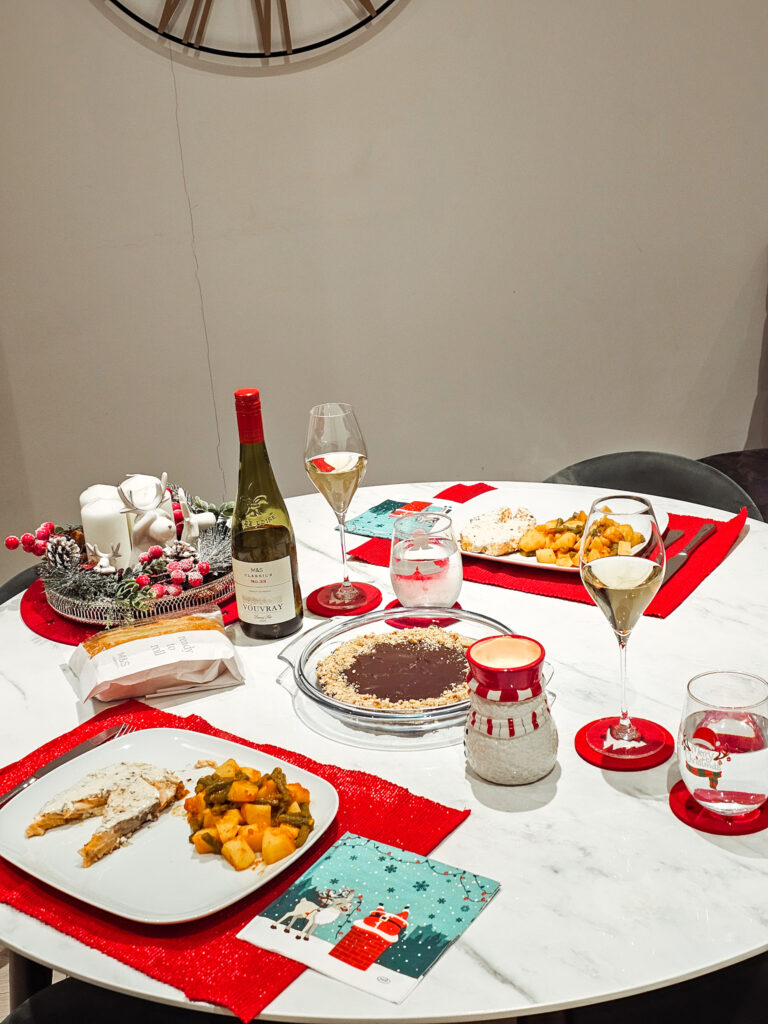
Because we are a deeply religious nation, we fast on Christmas Eve and eat fish on that day.
A lot of Croatians, including me and my husband, decorate the tree on Christmas Eve to keep the tradition going, though more and more people do it earlier in December nowadays.
We have dinner on Christmas Eve and then lots of people go to midnight mass to wait for Jesus’s birth. After the mass, we go home and have another late dinner, but this time we have pork which was prepared the day before.
Christmas Day
On Christmas Day we start the morning opening up the presents. Usually people go to another morning mass, especially if they didn’t go to the midnight one.
Then there’s a family lunch, which varies from region to region. Mostly we eat pork, but northern regions can have turkey instead.
Christmas Day is a day spent with family and friends; eating, drinking, exchanging presents, laughing and being marry.

📖 Read my 16 Traditional Croatian Foods to Try on Your Trip blog post.
Epiphany
The final part of Christmas celebrations is Epiphany on January 6.
It’s a national holiday in Croatia celebrated yearly which commemorates the visit of the three Magi to the infant Jesus.
Where to Stay in Croatia
Here are some bucket list hotels to check during your stay in Croatia:
- Hotel Excelsior Dubrovnik – beachfront, with the views of the Old Town
- Grand Park Hotel Rovinj by Maistra Collection – most beautiful hotel in Istria region
- Plitvice Holiday Resort – luxury glamping resort near Plitvice Lakes
- Esplanade Zagreb Hotel – historical art-nouveau hotel in Zagreb
- Vila Vinkomir Kutjevo – villa in the Kutjevo vineyard and winery
Croatia Travel Plan
If you’re looking for a custom Croatia travel plan, find out more about my personalised itinerary service.
Like this post? Pin it!📍