20 Insider Things to Know before Travelling to Croatia

Croatia is a small country, safe to visit and with interesting things to do. But even though visiting Croatia is not complicated as visiting countries like India, there are still a few things to know before travelling to Croatia.
As a born and raised Croatian, in this blog post I will share my top 20 things to know before your Croatia trip, from cultural etiquette and practical tips to all the insider things that you may not find online yet.
These tips are designed in a way to help you travel to Croatia as smoothly as possible in order to have a great time while visiting our beautiful country!

Croatia Travel Plan
If you’re looking for a custom Croatia travel plan, find out more about my personalised itinerary service.
Heads up! Some links in this blog are affiliates. If you click and buy, I may earn a small commission at no extra cost to you. Rest assured, I only recommend stuff I’ve tested or trust. You can read more about our affiliate disclaimer here.
Travel Resources for Croatia:
⭐️ Join my Croatia Travel Tips FB Group to ask questions, get advice and engage with our community.
Rent a Car
Renting a car in Croatia is inevitable if you want to explore our country properly!
Sadly, Croatia is not really public transportation-friendly, so it will be really difficult for you to move around.
That is not to say that you won’t be able to use public transport at all, especially in major cities, such as Zagreb, Split or Dubrovnik. But if you want to explore the surrounding area, you do need a car because even when there are supposedly local buses, they don’t run on time and are quite unpredictable.
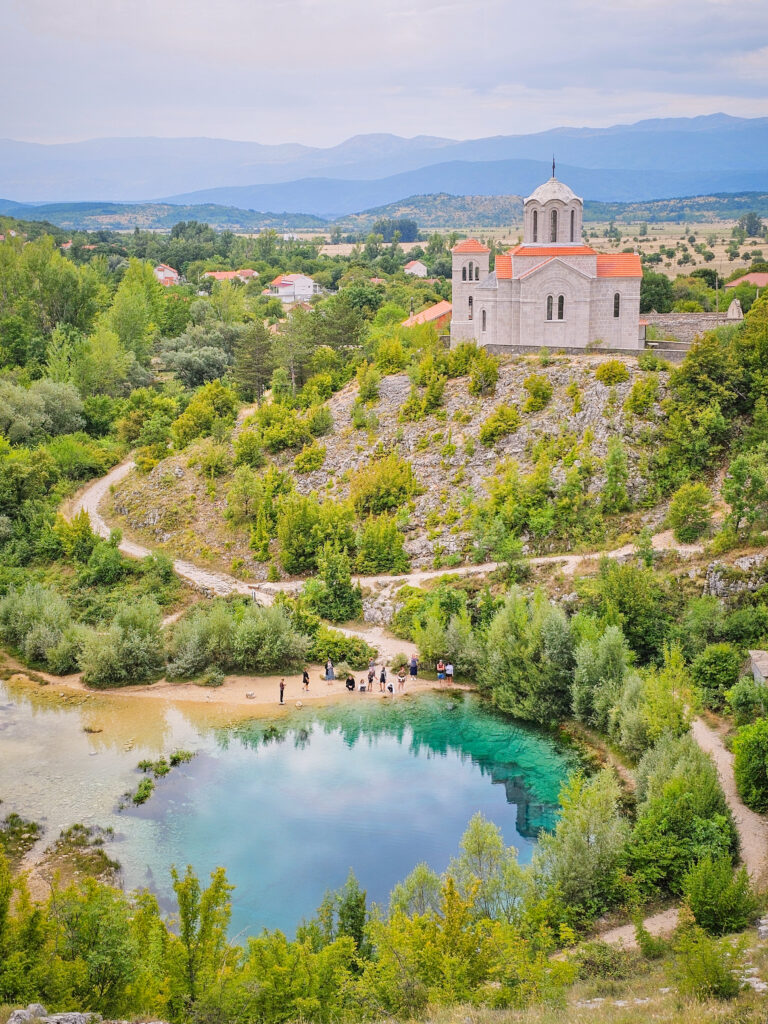
Of course, you can go on guided tours, but even with those, you won’t be able to explore hidden gems like Cetina river spring or of the beaten locations, such as the Slavonia region.
So, my number one tip for you is to rent a car when visiting Croatia because the experience will be a million times better!
Tipping is not Mandatory
Tipping is not mandatory in Croatia, but if you’ve been happy with the service, then tipping around 10%-15% is just fine.
Don’t Bring up The 1990s War of Independence
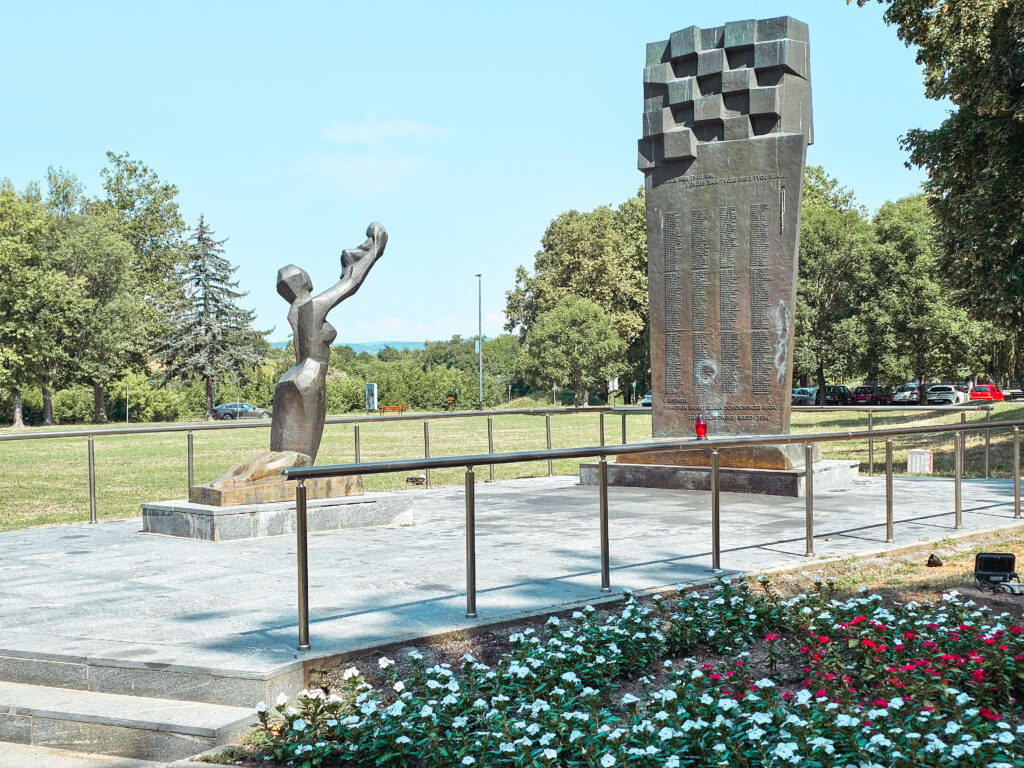
Look, the Croatian War of Independence was not that long ago, and there are still families with family members who died fighting for the independence or who were civilian victims (I have a few in my close circle!).
And even though we are on good terms with Serbia and Bosnia today, and we welcome them as tourists, to some people what happened in the 90s is still fresh and painful. So, if you don’t want to offend anyone or start a political discussion, the best is to avoid the topic altogether.
Dress Modestly for Churches
While nobody will kick you out of the church if you come in shorts and top, it is disrespectful and you may get the looks.
If you can, dress modestly if your plan is to visit the sacred places or at least have something to cover your shoulders and/or knees.
Euro is the Main Currency
Croatia adopted the euro as its official currency on January 1 2023, so this will make your things easier if you’re visiting several EU countries at the same time.
Bring Cash
And while we’re on the money topic, I want to emphasise that we still largely use cash, and in some places it won’t be possible to pay with cards at all, even at some restaurants.
My pro tip for you is to get a Revolut card for better conversion rates and withdraw money from Kent Bank ATMs because they don’t take any withdrawal fees.
Sadly, Kent Bank is not in every city in Croatia, especially in smaller towns, but if there is one, go there to get your cash.
English is Widely Spoken
Us Croatians speak really good English and therefore, English is widely spoken.
However, learning a few Croatian words and phrases will be helpful, if nothing else, but to receive the local smiles.
Here are some Croatian phrases to learn before your trip:
- Dobar dan (DOH-bahr dahn) – Hello (formal)
- Doviđenja (doh-vee-JEN-yah) – Goodbye (formal)
- Bok (Bohk) – both for Hi / Bye (informal)
- Hvala (HVAH-lah) – Thank you
- Molim (MOH-leem) – Please / You’re welcome
- Oprostite (oh-PROS-tee-teh) – Excuse me / Sorry
Tap Water is Safe for Drinking
Not only is tap water safe for drinking, but it is also quite good, almost like spring water.
The only place in Croatia that has bad quality tap water is Osijek, and therefore I would not recommend drinking water there.
But so far, everywhere else I’ve been and my home town Slavonski Brod, have had really good quality tap water.
Always Greet
When I lived in London, it was unusual to me that people don’t greet each other, unless you know the person. Of course, I’m not talking here about greeting random people on the streets, but if you’re in the building lift or at the gym’s changing room, you just enter and leave as if no one were there.
In Croatia, greeting is a part of our culture. So, you’re in the lift with someone, you greet; you enter the bank, you greet; you’re at the doctor’s waiting room, you greet; you enter the shop, you greet.
You don’t greet people you pass by on the streets, but in any other situation, this will be expected from you.
And if you know someone, you either hug them if you know them more closely, or you give a handshake if you know them more formally.

📖 Read my 12 Most Popular Croatian Traditions to Know About blog post.
Croatia Has All Seasons
While we have beautiful and hot summer days, this is not the weather throughout the year. Actually, we have quite distinct 4 seasons and 3 climate zones, so your visiting experience will largely depend on when and where you’re visiting.
Generally, summers are hot everywhere in Croatia and winters are cold, but in Zagreb and inland Croatia you can expect snow and below zero Celsius degrees temperatures, whereas at the Adriatic Coast, you can expect low temperatures with strong winds.
📖 Read my When is The Best Time to Visit Croatia: A Local’s Guide blog post.
You Can’t See it All
The number one mistake I see, especially in my Facebook group, is people trying to fit as many things as possible, making unrealistic plans and thinking that you can do all of Croatia in a week.
Wrong.
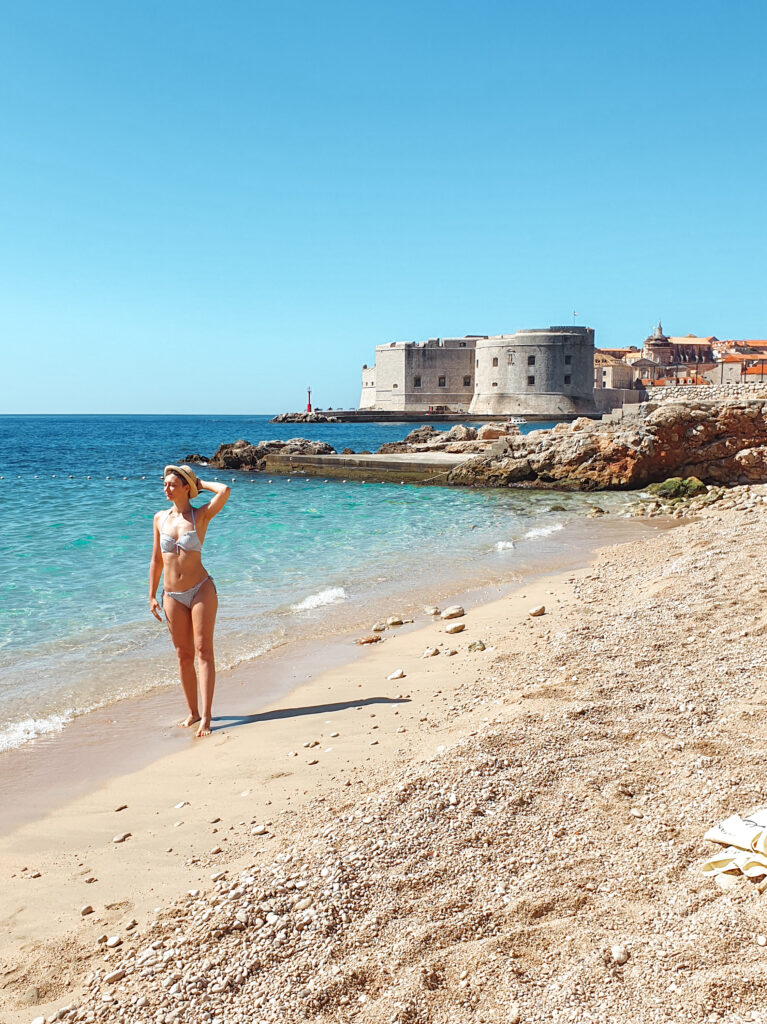
While Croatia is a relatively small country, don’t think you can see it all. For example, if you’re visiting for a week, I recommend choosing one base such as Split and then see a few places from there or combine a city + island or 2 islands. If you prefer slow travel, then even staying at one city/island for a week is completely reasonable – it’s how most Croatians spend their time at the seaside during summers!
P. S. If you need any help with planning your Croatia trip, don’t forget that I offer custom itinerary service for Croatia.
Read my 7 Days in Croatia: A Realistic Itinerary blog post.
Book Hotels in Advance
I can’t stress enough how important it is to book hotels in Croatia in advance, especially if you’re visiting in the peak season!
One year, I found a great deal because I booked an apartment in January for August. Then a year later I had a lot of personal things going on and didn’t know when I’ll have time to go to the seaside, so I booked an apartment 2 months prior.
Needless to say that for the same amount of nights, I paid almost 50% more money because I waited too long.
📖 Read my 10 Beautiful Boutique Hotels in Croatia Worth Booking blog post.
📖 Read my Is Croatia Expensive to Visit? (+My Cost Breakdown) blog post on my main travel site.
EU Roaming Rules Don’t Apply to Everyone
If you’re travelling to Croatia from another EU country, your internet will work as if you were at home.
If you’re living in Europe, but not in an EU country, then there’s a high possibility that your internet won’t work. For example, when I lived in London, with Vodafone UK I couldn’t use my local internet and had to buy international tariff, whereas with O2 I could surf normally, but the internet was always so bad that I had to get the local card or the e-sim.
If you’re from overseas, then undoubtedly, you need the local card.
✅ My recommendation is either Airalo e-sim, which I personally tested and love to use on my travels. Or get a physical card with Bonbon network provider at the airport. Both Airalo and Bonbon offer great internet coverage for affordable prices.
You May Need Water Shoes
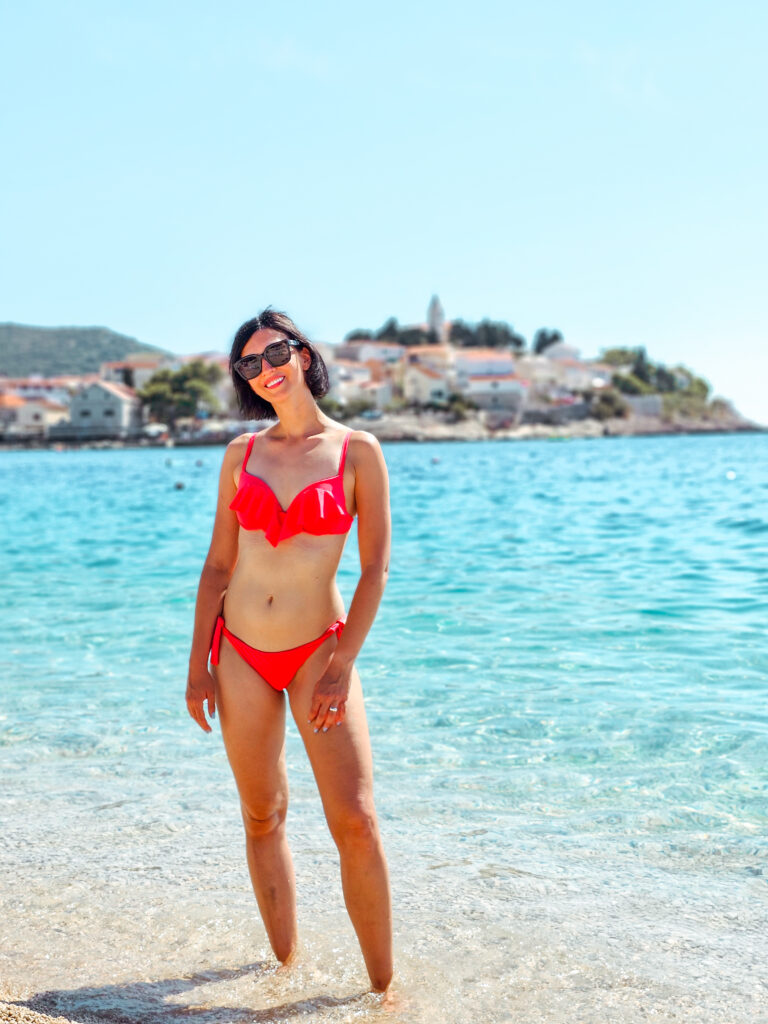
If you prefer sandy beaches, sadly Croatia doesn’t have many of them.
Our beaches are mostly pebble and rock. If you’re not used to it, then it’s better to buy water shoes, so you don’t struggle getting into the water.
📖 Read my 7 Best Places to Visit in Croatia for First Timers blog post.
Swimwear is for Beaches
While Croatia is a modern and pretty tolerant country, some rules do apply, especially when it comes to swimwear.
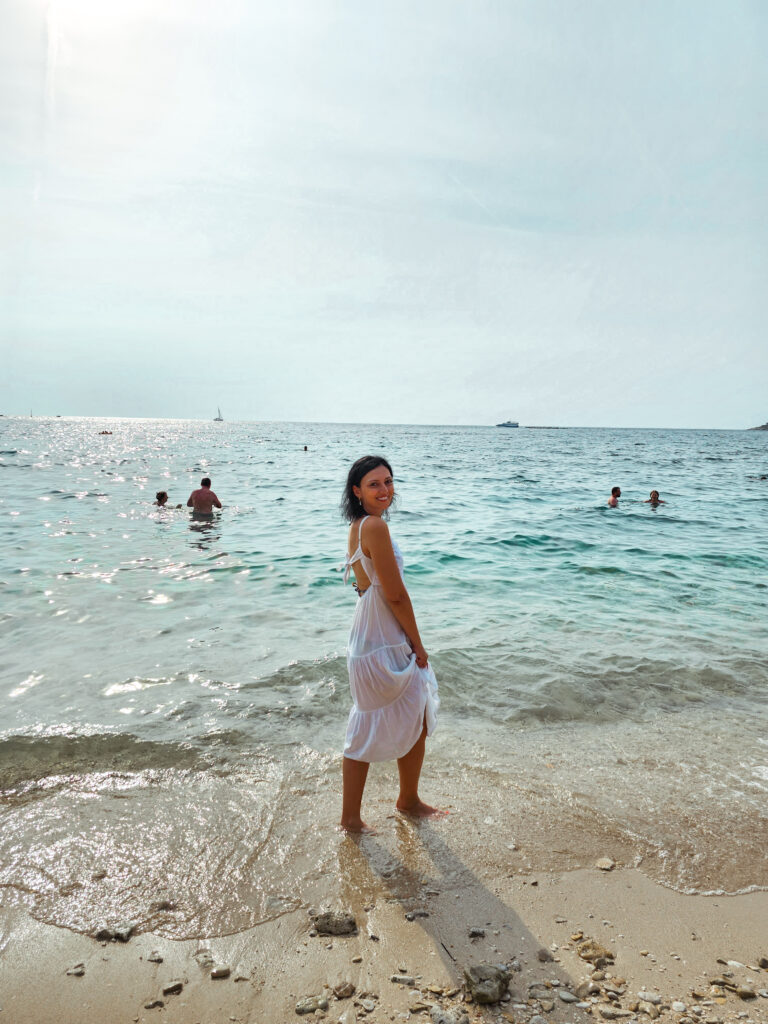
You will often see tourists in Croatia walking in their bathing suits, but don’t be surprised if you won’t be allowed to enter public premises, restaurants, cafes and even supermarkets if you’re in a swimming suit.
So, please leave swimwear for beaches. Of course in beach bars, you can wear them, but outside beaches, please either bring clothes to change or get yourself beach clothes.
Croatia is not Vegetarian & Vegan Friendly
If you’re a vegetarian or vegan, unfortunately Croatia is not friendly for this type of diet. Croatian food is heavily focused on meat, eggs and dairy products.
While in more popular places, such as Split and Dubrovnik, you won’t struggle as much to find something for yourself, in the more offbeat places, there will rarely be vegetarian, and especially vegan products.
So, prepare ahead and search for restaurants with those options on the menu, or get food from the supermarkets and prepare them at the apartment.
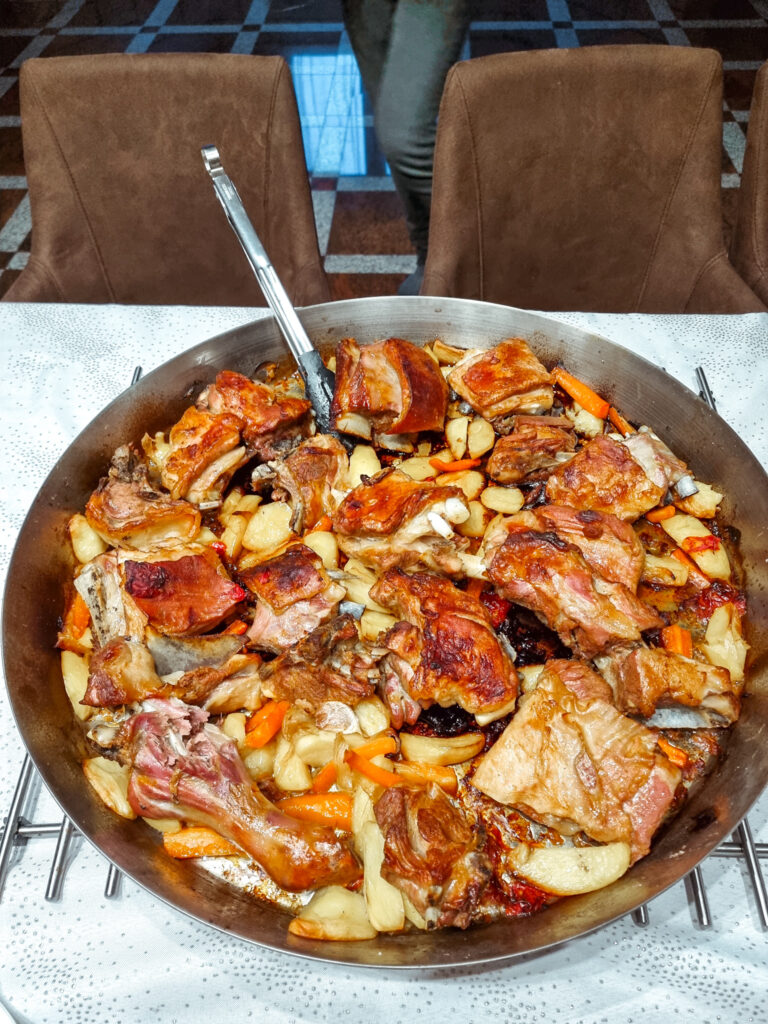
📖 Read my 15 Traditional Croatian Foods to Try on Your Trip blog post.
Bring the Correct Power Plugs
The standard power plugs in Croatia are Type C and Type F, so if you’re coming from another European country, you won’t need an adapter.
However, if you’re coming from the UK, US, Canada or Australia, you’ll need an adapter. I recommend getting those at home from Amazon because they may be more difficult to find in Croatia, and also could be overpriced, especially at the airport.
Croatia is More than Dubrovnik
I agree, Dubrovnik is the most beautiful and unique town in Croatia, I love it deeply and definitely don’t miss it!
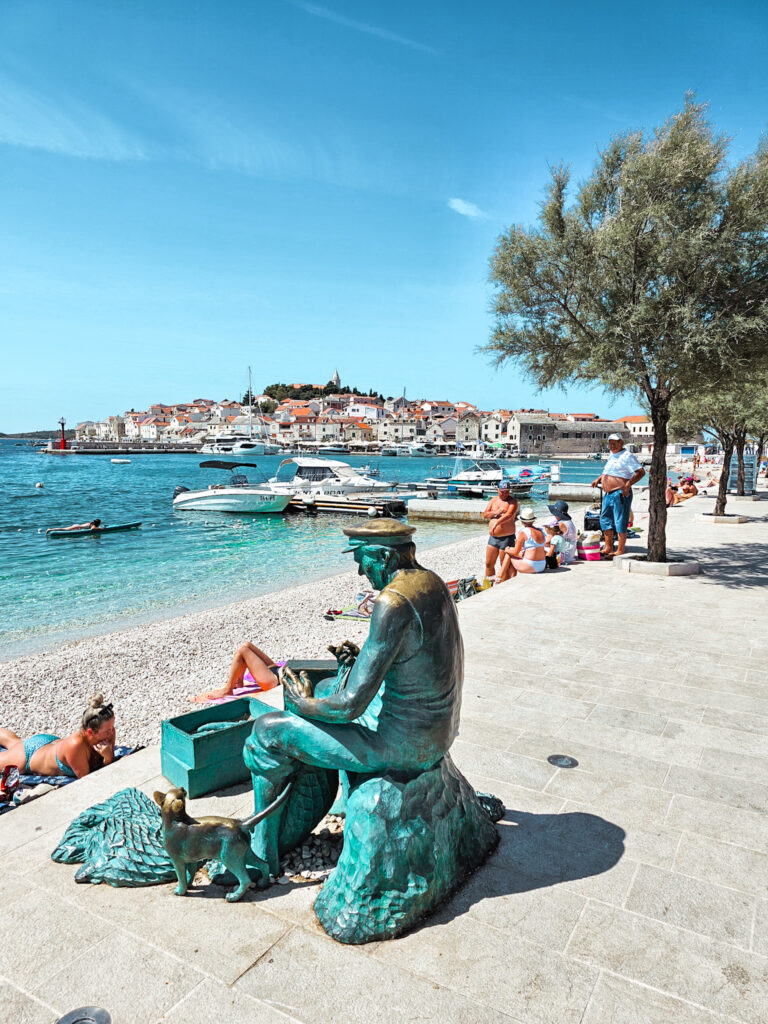
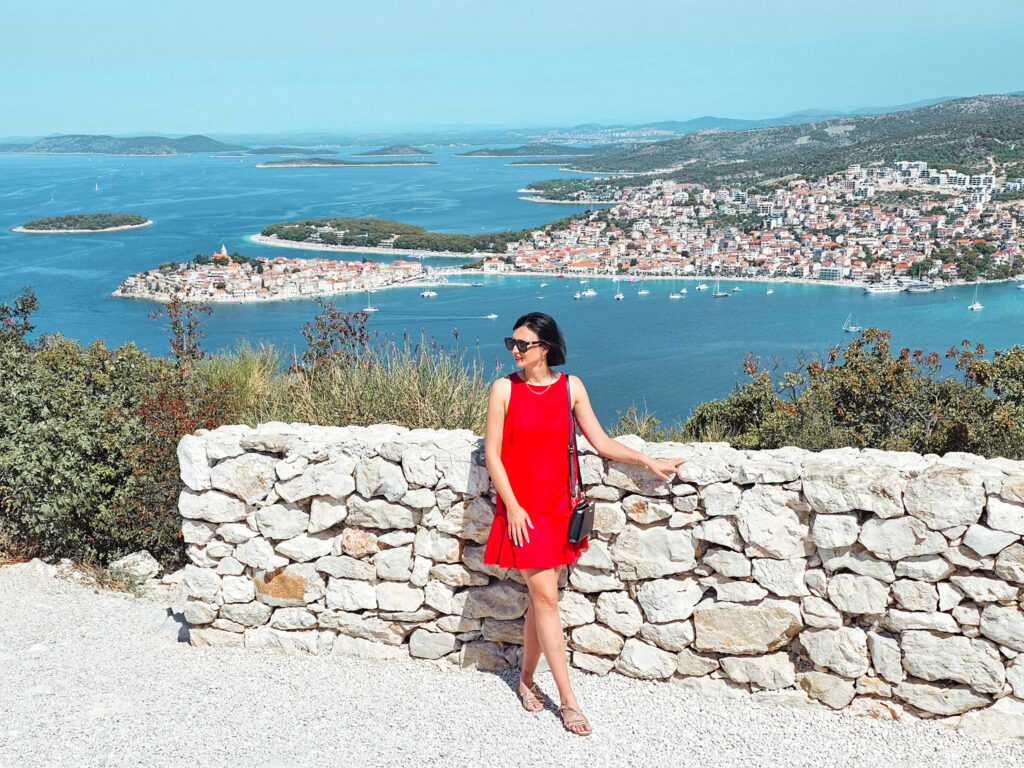
But, Croatia is so much more than Dubrovnik, or even Dalmatia. So, if you have an extra time, definitely venture out and explore nearby places, such as Cavtat, Ston, Zaton, Omis, Primosten, or even further away to Istria and the most underrated region Slavonia. Or visit those places some other time.
Just don’t think that by visiting Dubrovnik, you visited Croatia. Dubrovnik is its most polished and posh town, but the real Croatia is further away.

📖 Read my Dreaming of Croatia: 15 Best Places to Visit blog post.
Smoking is Still Common
Don’t be surprised that almost every Croatian smokes (I don’t and I’m a rare species here!).
While I really dislike this unhealthy habit, sadly smoking is still pretty common in Croatia, and therefore, there will be cafes, bars and clubs where even smoking inside is allowed. The only place where you can’t smoke inside is at the restaurants, but otherwise, it is allowed.
So, if you don’t smoke, you may need to adjust to this. If you do smoke, then I’m sure you’ll enjoy being in Croatia.
Distances Look Short but Take Longer
While on the map it may say it’s a 3h drive from Split to Dubrovnik, in reality, this can take longer because of the traffic jam, especially if you’re visiting in peak summer season.
So, plan ahead and allow yourself extra time on the travelling days, especially if you’re taking day trips and crossing the border over to Bosnia or Montenegro.
Where to Stay in Croatia
Here are some bucket list hotels to check during your stay in Croatia:
- Hotel Excelsior Dubrovnik – beachfront, with the views of the Old Town
- Grand Park Hotel Rovinj by Maistra Collection – most beautiful hotel in Istria region
- Plitvice Holiday Resort – luxury glamping resort near Plitvice Lakes
- Esplanade Zagreb Hotel – historical art-nouveau hotel in Zagreb
- Vila Vinkomir Kutjevo – villa in the Kutjevo vineyard and winery
📖 Read next:
Croatia Travel Plan
If you’re looking for a custom Croatia travel plan, find out more about my personalised itinerary service.
Like this post? Pin it!📍